
Lingo-Late publishes 12 Gamesforlanguage posts about Spanish travels
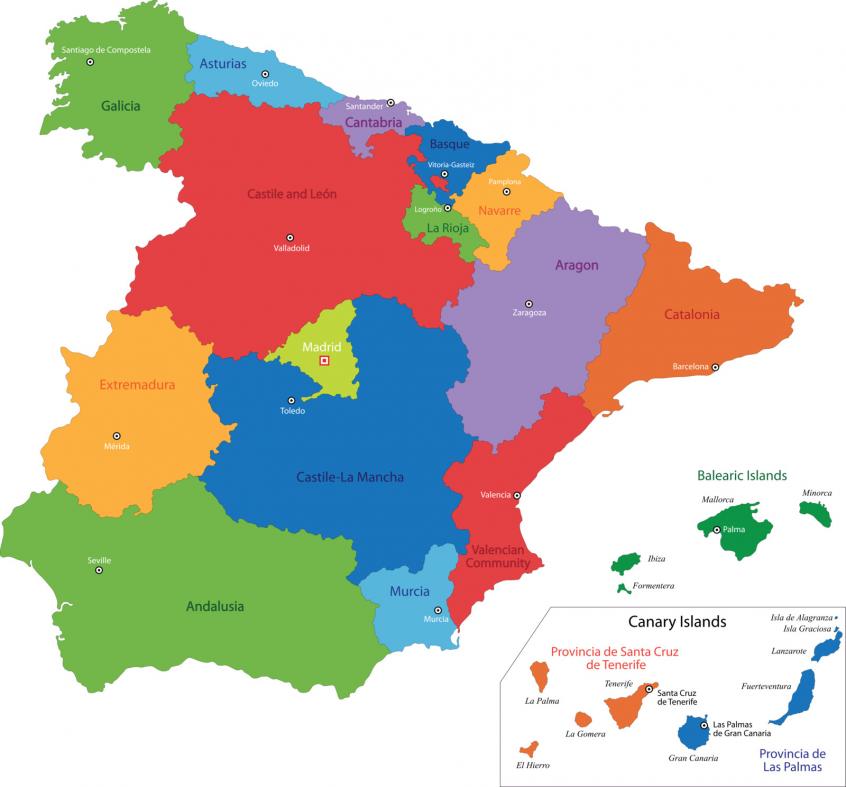 Lingo-Late.com recently published 12 Gamesforlanguage travel blog posts.
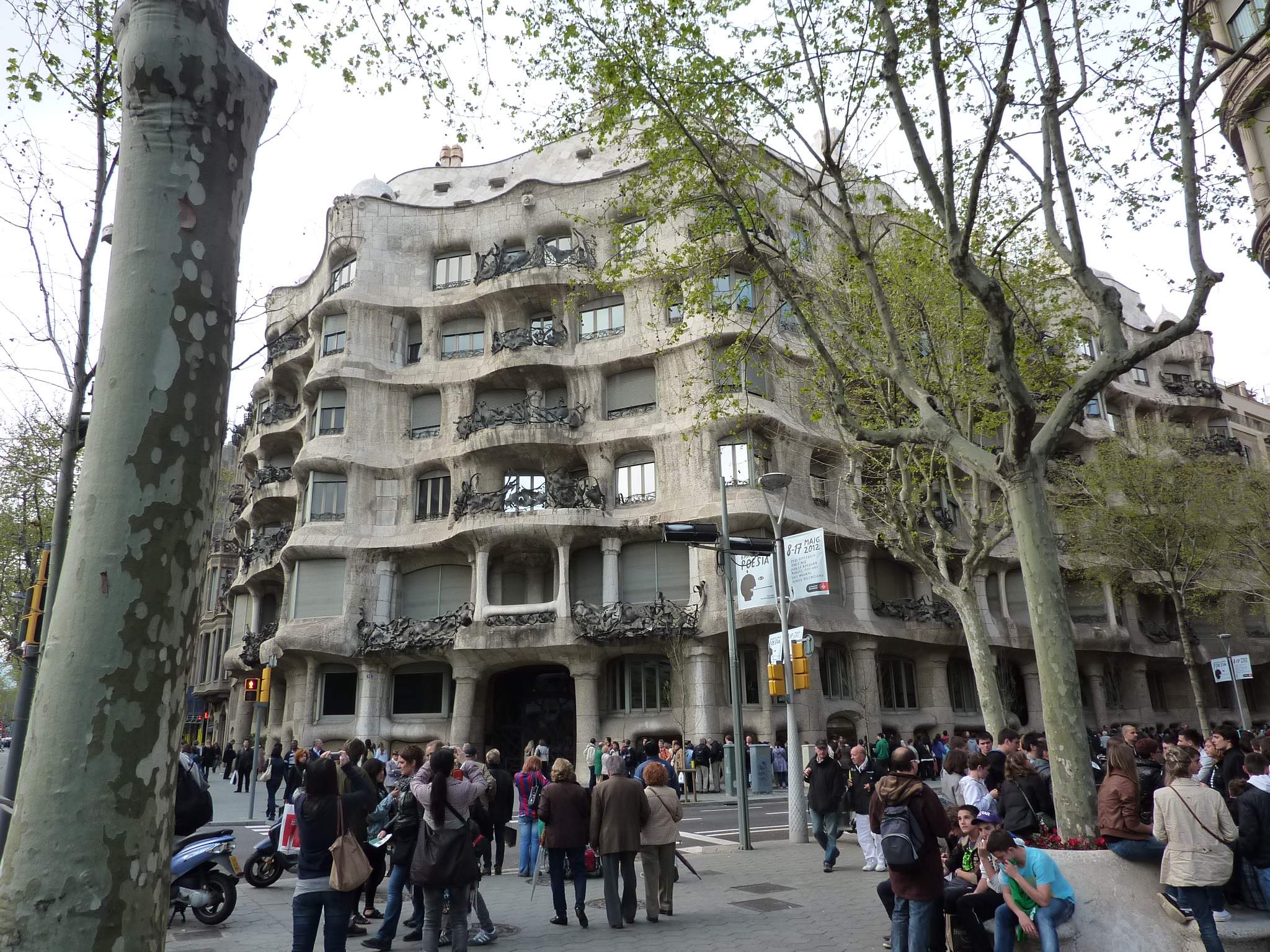
They include experiences and advice staying in the cities of Barcelona and Seville for a month, as well as learning and practicing Spanish.
Spain is a wonderful country to visit and to live in.
During their stay in Barcelona, the authors realized that knowing Spanish in Barcelona is not enough, as they studied and solved the mysteries of Catalan menus in their favorite restaurants; they experienced first hand how the conflict between Catalonia and the Spanish government in Madrid plays out in friends' comments, such as : “When I go to Spain...” or “The taxes we are paying to Spain...”. Many Catalan people don't see themselves as a part of Spain.
In Seville they experienced the “Semana Santa” with often scary-looking procession participants; they were often challenged by the local dialect, a typical experience of many who learn the “standard” language.
The experience with a local ATM and bank in Seville made it clear to them that English is not spoken everywhere.
Several posts also describe the benefits of traveling off-the-beaten track. In addition to visiting “must-sees” like Cadiz, Granada, Ronda, Cordoba, Toledo, visits to Carmona and Almagro offered particular experiences and insights.
For those who plan traveling to Spain or staying in a city for longer these posts can serve as a resource and guide.
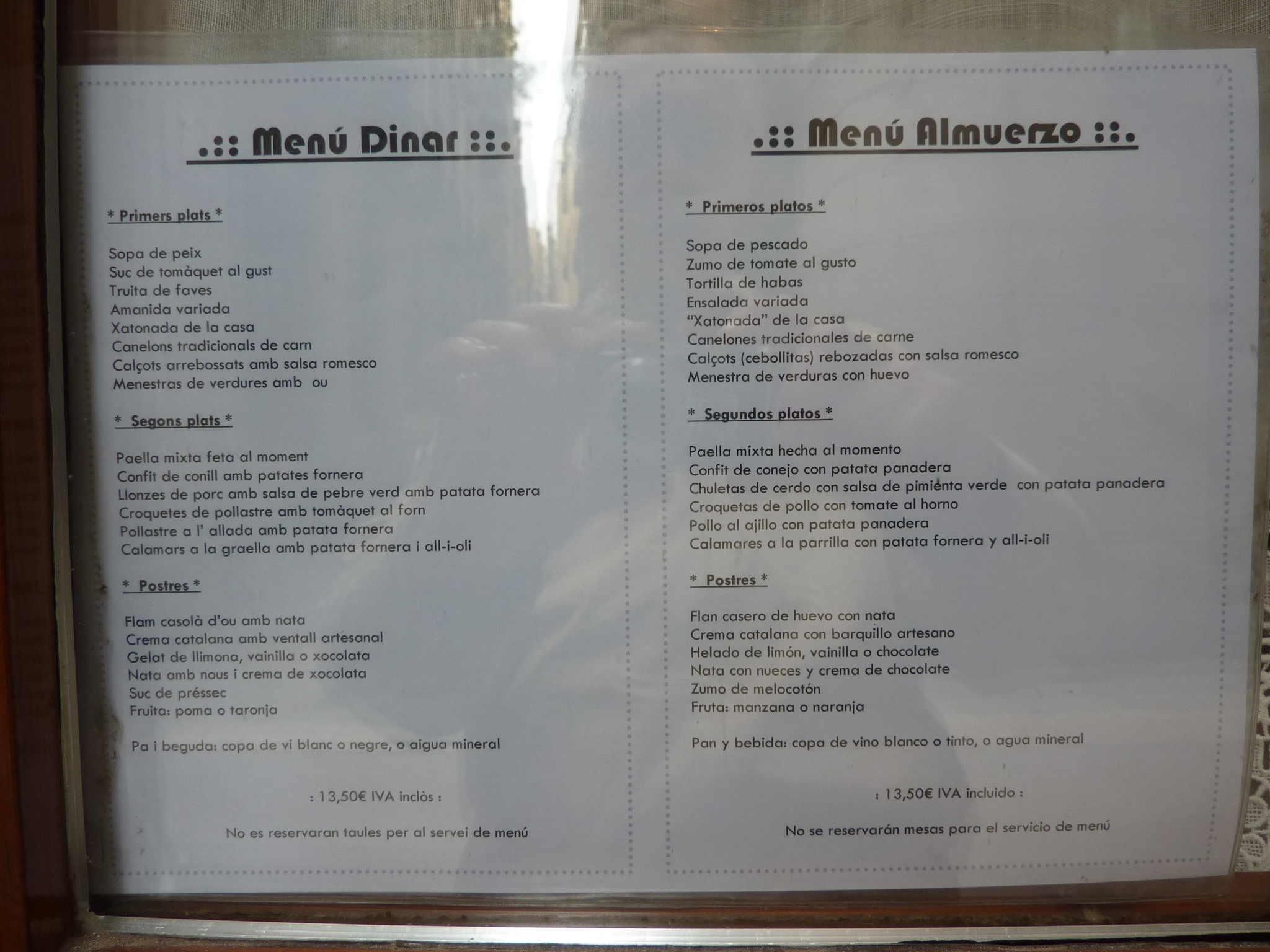 We have started to take pictures of the advertised daily lunch or evening menus, asked for them in restaurants, and are compiling a list of the most common names of Spanish foods and dishes. These terms, together with other words and phrases that we encounter, will then become part of Spanish 2. (They’ll also be available as downloads on our site for those who are interested.)